In today's rapidly evolving industrial landscape, understanding the key "Motor Applications" in China is vital for global buyers. The significance of these applications cannot be overstated. They drive innovation and enhance productivity across multiple sectors, from renewable energy to automation. As a manufacturing powerhouse, China offers a diverse range of motor applications that reflect both its technological advancements and market demands.
Chinese motor applications lead the world in various fields. Electric vehicles, for instance, are a growing market. They highlight a shift towards sustainability. Buyers must recognize the urgency of adapting to these trends. However, navigating this complex market presents challenges. Buyers should be cautious and aware of the nuances in local regulations and industry standards.
Moreover, competition is fierce, and many companies vie for a share of this lucrative market. It’s essential for buyers to conduct thorough research and establish reliable partnerships. Understanding local preferences and technological innovations makes a difference. In conclusion, exploring the top motor applications in China is not just an opportunity; it’s a necessity for informed decision-making.
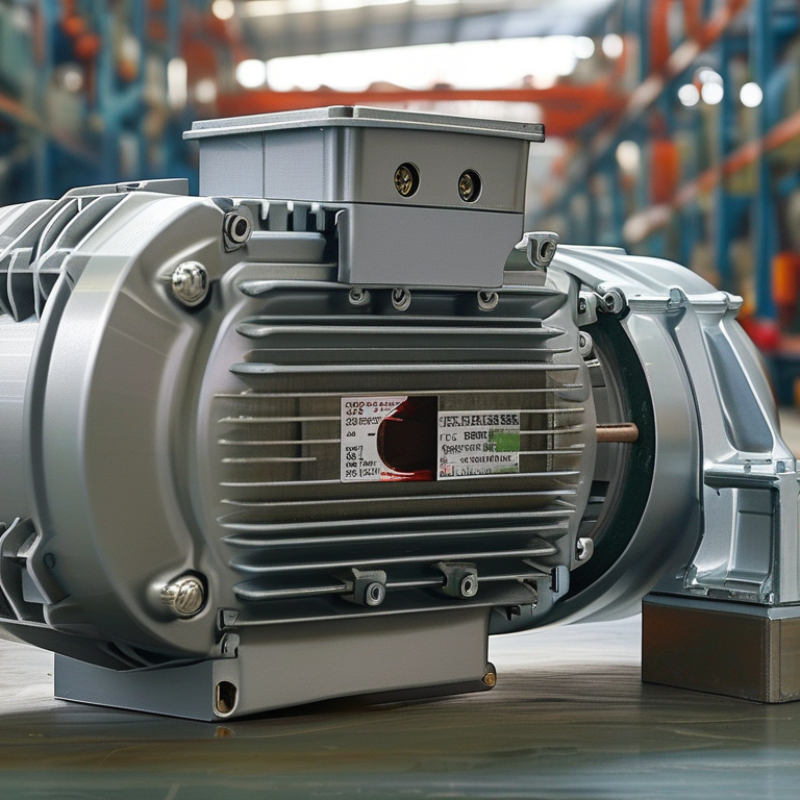
Top 10 Motor Applications Transforming Industries in China
China's economic landscape is rapidly evolving, significantly influenced by motor applications across various industries. A report by the China National Mechanical Industry Corporation indicates that the motor market is projected to reach $10 billion by 2025. This growth reflects the increasing reliance on electric motors in sectors like manufacturing, automotive, and energy.
Electric vehicles (EVs) are a prime example. The EV market in China boomed, with over 6.5 million units sold in 2021, contributing to nearly 50% of the global market share. As industries pivot to greener solutions, the demand for high-efficiency motors has surged. Moreover, within automation, intelligent motors are boosting productivity. They enhance precision in tasks, thus reducing waste and improving sustainability.
Challenges exist. Not all industries have adapted quickly to these advancements. While the potential is immense, some manufacturers face hurdles in integrating smart motor technologies. This indicates a need for further training and infrastructure development. The race is on for industries to innovate, but the journey is fraught with growing pains. Continued investment in R&D and collaboration will be crucial in overcoming these obstacles.
Key Sectors Driving Demand for Motors in the Chinese Market
The Chinese market is witnessing a surge in motor applications across various sectors. Manufacturing is at the forefront. Automation and robotics increasingly rely on efficient motors. These machines enhance productivity while reducing labor costs. Precision is crucial here. Motors need to be reliable and capable of operating under pressure.
Another key sector is transportation. Electric vehicles (EVs) are gaining traction in China. The growing demand for EVs drives the motor industry's evolution. Battery technology and efficiency play significant roles in this sector. As charging infrastructure improves, the market for high-performance motors expands.
Lastly, renewable energy is reshaping motor applications. Wind and solar power systems require specialized motors. These motors need to be durable and efficient. They help in converting energy effectively. Local regulations and environmental policies also impact the market. It's a complex landscape, growing yet challenging. Global buyers must navigate these nuances carefully to succeed.
Top 10 Motor Applications in China that Global Buyers Need
| Application Sector |
Motor Type |
Estimated Market Size (Billion USD) |
Growth Rate (%) |
Key Driver |
| Automotive |
AC Motors |
25 |
8 |
Electric Vehicle Growth |
| Home Appliances |
Induction Motors |
15 |
6 |
Urbanization and Middle-Class Growth |
| Industrial Automation |
Stepper Motors |
18 |
10 |
Industry 4.0 and Smart Manufacturing |
| HVAC Systems |
EC Fans |
12 |
7 |
Energy Efficiency Regulations |
| Agriculture |
Brushless DC Motors |
10 |
9 |
Smart Farming Technologies |
| Robotics |
Servo Motors |
5 |
15 |
AI Integration |
| Elevators |
Gearless Traction Motors |
8 |
5 |
Urban Infrastructure Development |
| Construction Equipment |
Hydraulic Motors |
20 |
6 |
Infrastructure Investments |
| Medical Devices |
Precision Motors |
7 |
12 |
Aging Population |
| Aerospace |
High-temperature Superconducting Motors |
3 |
20 |
Technological Advancements |
Innovative Technologies Shaping Motor Applications in China
China's motor applications are rapidly evolving. Innovative technologies play a vital role in this transformation. These advancements enhance efficiency and performance across various sectors. For global buyers, understanding these trends is crucial.
Electric motors are gaining traction. Improvements in battery technology push electric vehicles forward. Industries are increasingly adopting smart motors. These devices integrate IoT technology, which helps in monitoring and controlling operations. Another notable trend is the push for energy efficiency. Many manufacturers aim to reduce energy consumption, complying with strict regulations.
Tips: Always research the latest technologies in motors. This helps in making informed purchasing decisions. Additionally, consider the environmental impact of motor applications. Sustainability is becoming a key factor for many businesses.
The manufacturing sector benefits greatly from automation. Robotics and advanced motor controls enhance productivity. However, buyers must also consider the challenges. There is a learning curve when integrating new technologies. Not all companies have the resources to adapt quickly. Embracing innovation requires time and investment.
Challenges and Opportunities for Global Buyers in Chinese Motor Market
The Chinese motor market presents substantial opportunities but also significant challenges for global buyers. Understanding market dynamics is crucial. Among local manufacturers, the variety of products is impressive, but reliability varies. Traditionally, innovation has been slower in some segments, yet many companies are investing heavily in research and development. This evolution is reshaping the landscape.
Tip: Investigate certifications and standards. Products meeting international quality benchmarks can help mitigate risks. Assessing suppliers' production capabilities is essential to avoid quality inconsistencies.
Competing with local players can be daunting. They often offer lower prices, but investments in quality assurance are spotty. This discrepancy can impact your supply chain. Moreover, logistics can be complex due to regional disparities. Building relationships with local partners can ease navigation through these hurdles.
Tip: Engage in local trade exhibitions. Networking can provide insights into emerging technologies and market trends. Gathering information first-hand can refine your sourcing strategy. Remember, adaptability is key in this rapidly changing market.
Future Trends in Motor Applications and Their Impact on Global Trade
The future of motor applications in China is rapidly evolving. As industries adopt new technologies, motors will play a crucial role. Innovations in electric motors are enhancing efficiency and sustainability. This shift impacts global trade patterns significantly. Countries are starting to require smarter, more efficient motor solutions.
Tips: Stay informed about emerging technologies. Understanding trends is key to making smart investments.
One notable trend is the rise of electric vehicle (EV) applications. The demand for electric motors in the automotive sector is skyrocketing. This growth also influences supply chains worldwide. Manufacturers will need to adapt quickly to remain competitive.
Tips: Research local market needs before entering. Tailoring solutions for specific regions can drive success.
Meanwhile, advancements in automation are increasing the need for precision motors. Industries like robotics and manufacturing are benefiting from these improvements. However, adapting to these changes can be challenging. Companies must invest in training and development to keep up.
Top 10 Motor Applications in China
Conclusion
The article "Top 10 Motor Applications in China that Global Buyers Need" explores the transformative impact of motor applications across various industries in China. It highlights key sectors such as manufacturing, transportation, and renewable energy, which are driving significant demand for advanced motor technologies. Additionally, the article emphasizes innovative developments shaping these applications, including smart motors and automation technologies, which enhance efficiency and operational performance.
Global buyers face both challenges and opportunities in navigating the Chinese motor market. These challenges include stringent regulations and market competition, while opportunities lie in the increasing adoption of electric vehicles and the push for sustainable energy solutions. Finally, the article discusses future trends in motor applications that are likely to influence global trade, emphasizing the potential for growth in technology-driven sectors and the need for buyers to stay informed about these developments.
 Ovron Motor
